
Nerikomi
You can add colour to your work even without glaze. Take a look at some examples here.


Crystal glaze
Natural crystals on clay, created using the crystal glaze decoration technique. Experience the magical interplay of science and nature as the glaze transforms during firing to form beautiful, living crystal patterns, making each piece a unique work of art.

Embroidery on ceramics is an unexpected combination of textiles and clay. Thread and earth come together to create a new, tactile world. The combination of hard, fragile clay and soft stitching produces unique patterns that break down the barriers between materials and tell new stories.
Embroidery on ceramics Read More »

Discover the characterful kurinuki hand-forming carving technique. Discover the power of reduction, where a solid block of clay is gradually transformed by removing material. The result? Unique, robust objects with a rough, natural appearance that clearly reveal the maker’s handiwork.

Tenmoku: deep darkness with sparkling life. Be seduced by the rich, mysterious beauty of this ancient Japanese glaze, where dark tones and sparkling nuances come together to create vibrant, characterful ceramic masterpieces.

Rhythmic structures in ceramics: repetition that brings tranquility. Discover how recurring patterns, lines and shapes not only create a visual cadence, but also evoke a sense of harmony and stillness. Rhythm in clay invites you to look as well as feel. A subtle dance of form and repetition.
Rhythmic structures Read More »

A unique way to apply glaze to your bisque work is to blow bubbles of glaze mixed with soapy suds.
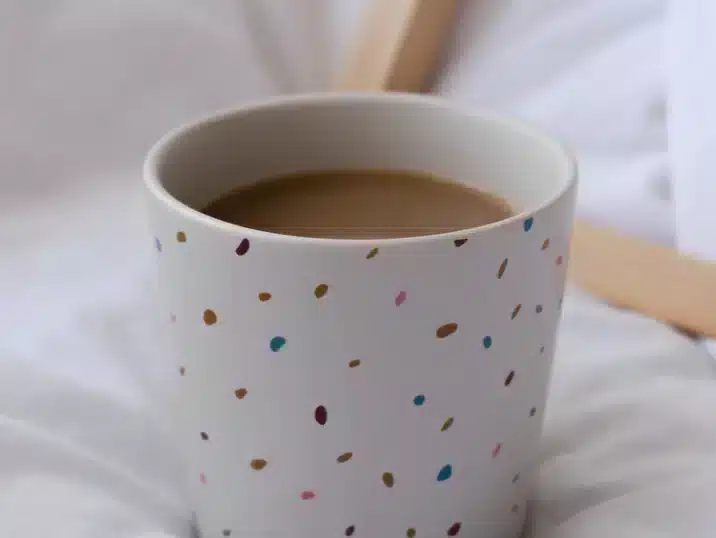
One of the oldest decoration techniques in ceramics is painting with clay slip.
Painting with clay slip Read More »

Paper porcelain is a special form of porcelain. It is porcelain clay to which paper fibers have been added.
