Filigree
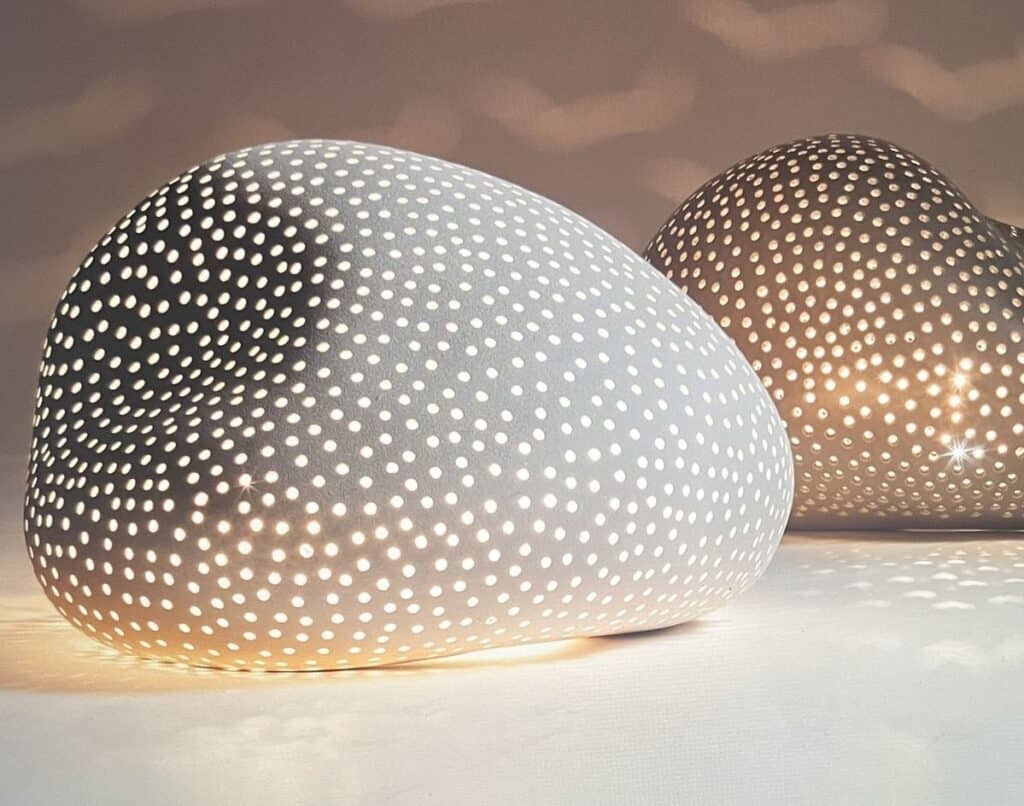
The term filigree is primarily associated with jewelry and other fine metalwork.

It can happen. You were planning to finish that vase tomorrow, but you didn’t get around to it.
How do you rehydrate a dry pot? Read More »
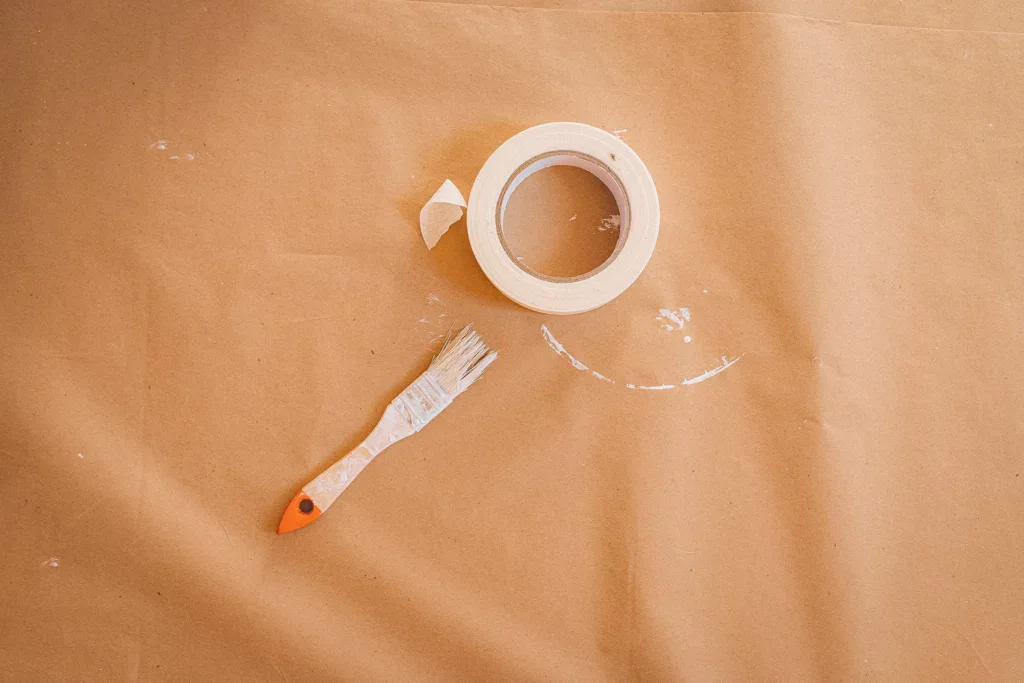
Want to create clean lines? What you need is (masking) tape. It helps you create perfectly straight colour blocks, even if you don’t have a steady hand.
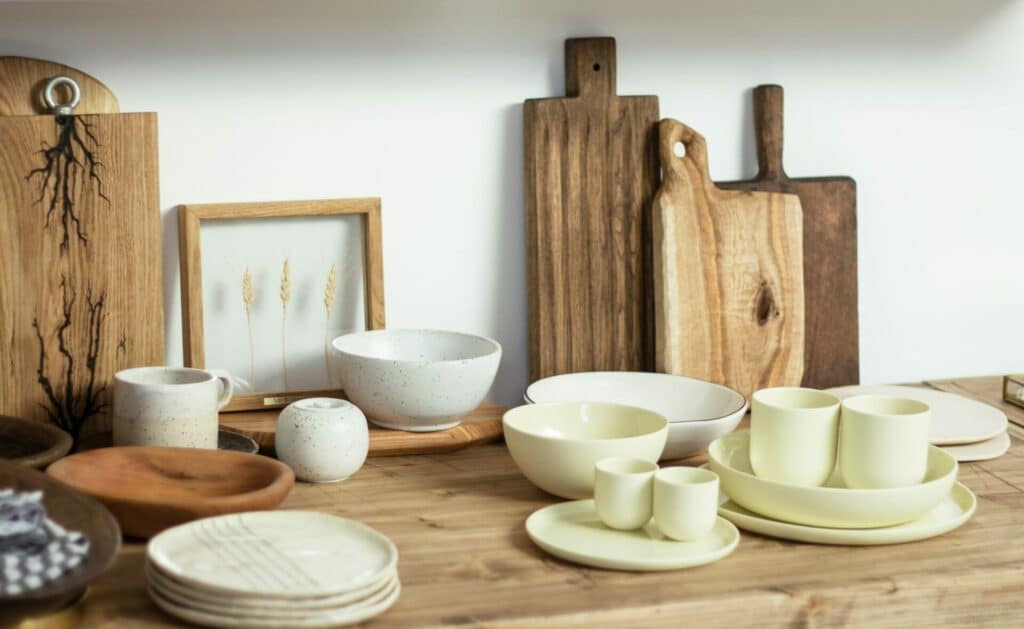
Those who want more color in their ceramics have a lot of options. Two of these are oxides and pigments. The two terms are sometimes used interchangeably, but they are distinct. High time to list those differences.
What is the difference between oxides and pigments? Read More »
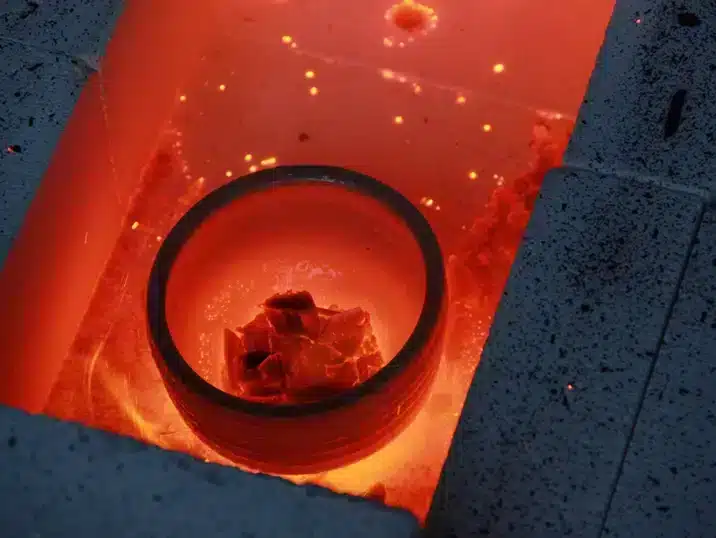
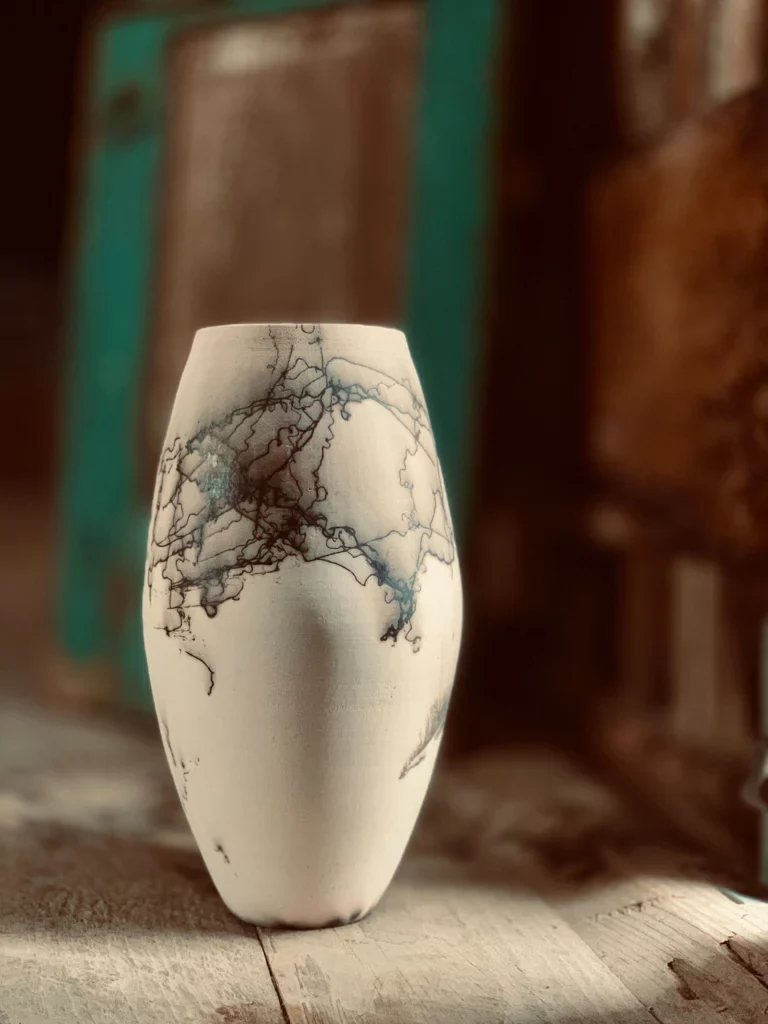
Raku is an ancient Japanese firing technique. After your piece has been bisque fired, a glaze is applied that is suitable for raku firing.

This shiny reddish earthenware, popular in Roman times, was given the name ‘terra sigillata’, literally meaning ‘stamped earth’.
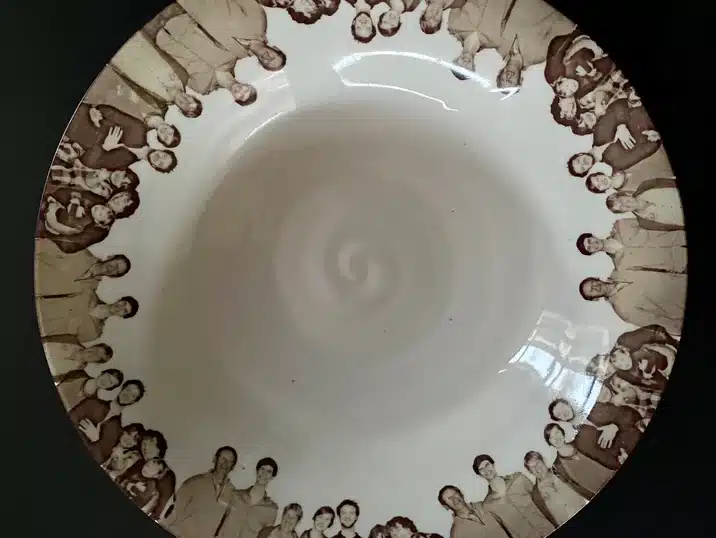
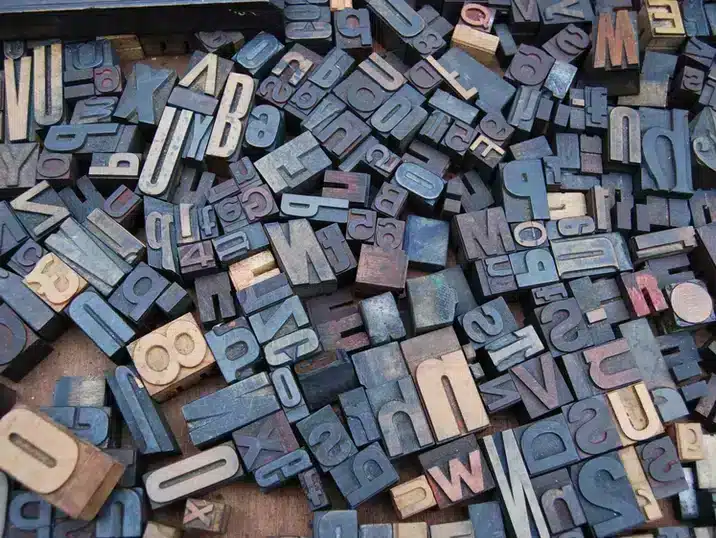
This technique allows you to apply detailed drawings, images or text to your ceramics with a laser print.