Intarsia, mishima or inlays

The term ‘intarsia’ originates from woodworking. It is a technique whereby inlaid materials are incorporated into solid wood.

However, intarsia can also be used in ceramics. This type of inlay work is also referred to as ‘mishima‘.

It is essentially the reverse of the sgraffito technique. With sgraffito, you scratch away the coloured layer of sludge to reveal the underlying layer, whereas with intarsia, you scratch a pattern into your clay and then fill it with a different colour of clay sludge or underglaze, which you then wash off.

This creates a pattern or drawing of lines lying “in” the surface, with no relief. Want to give it a try?

Can’t see the examples? Check out the board on Pinterest.

Check out all of the online courses we offer and dive into the world of clay!

Discover more blog posts here

Pot with lids made from clay
Basic info
Nele

How do you fire a piece with a lid?

After a lot of checking, adjusting and double-checking, you are absolutely certain: the lid of your piece is just the right shape and size. It fits like a glove! But

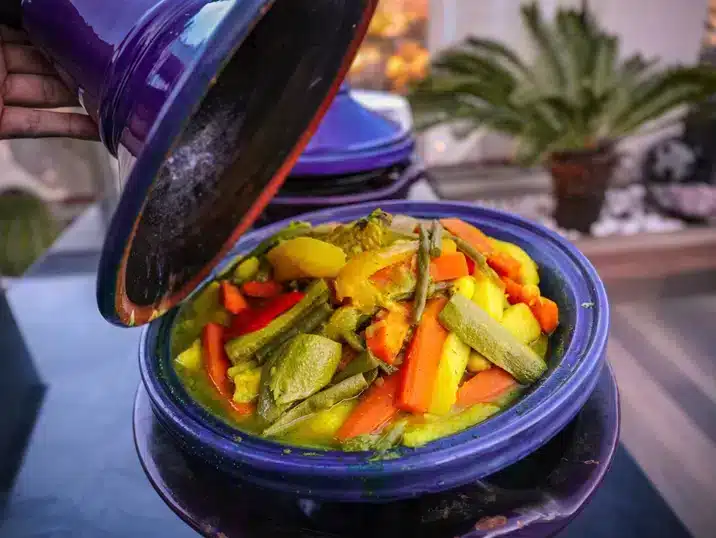
Een openstaande blauwe tajine van keramiek
Shapes
Nele

The tagine

A tagine is a Moroccan stew pot made of earthenware. The tagine consists of a flat dish and a cone-shaped lid.

Close up van rijpe aardbeien aan de plant in aardbeipot van keramiek
Shapes
Nele

The strawberry pot

Do you have a green thumb but also limited space in your garden or on your balcony? Then a homemade strawberry pot might be the solution for you. These pots

Download the free beginner's guide

Start out with ceramics

A handy 27-page PDF with everything you need to know to get started with everything clay.

Enter your details below and you’ll get the guide in your mailbox! You sign up for our bi-weekly newsletter full of ceramic goodies as well.