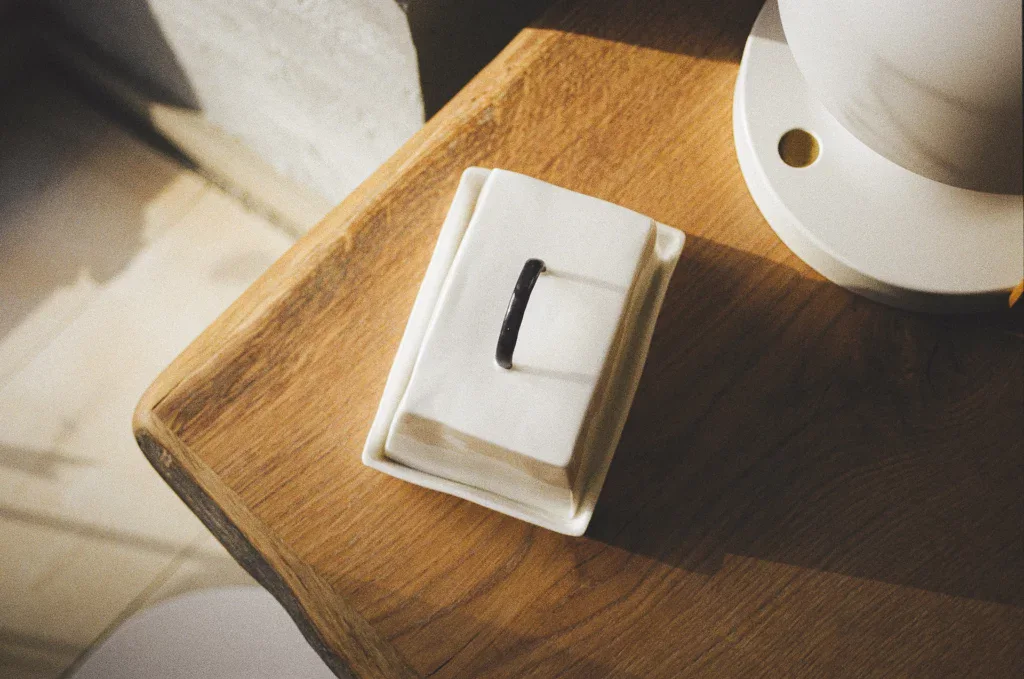
How high should your potter’s wheel be?
As a potter, you’re spending a lot of time behind your potter’s wheel. If it’s too high or too low, you’re guaranteed to have back problems.
How high should your potter’s wheel be? Read More »


As a potter, you’re spending a lot of time behind your potter’s wheel. If it’s too high or too low, you’re guaranteed to have back problems.
How high should your potter’s wheel be? Read More »
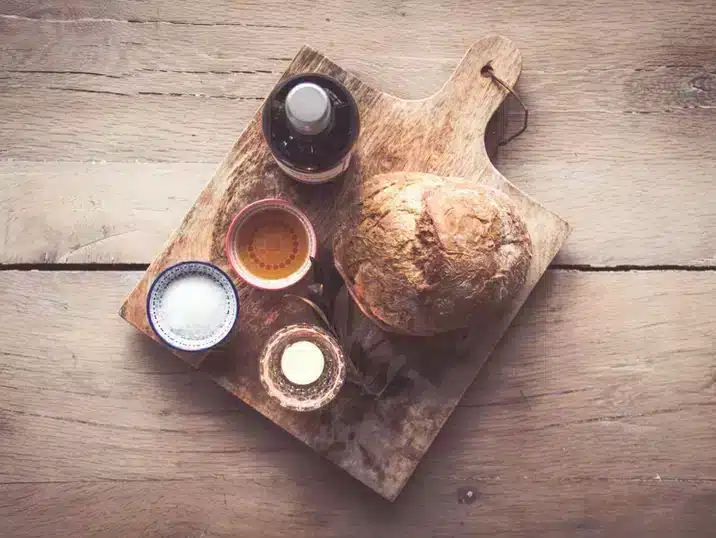
An elegant bottle to hold that delicious extra virgin oil…. it just makes cooking more enjoyable. Moreover, the advantage is that if you make your oil bottle yourself, you can completely choose how it will look. A bottle in the size you find handy, with a relief that fits well in your hand and a
CastiCasting moulds are designed to be filled with casting clay and then emptied, but pressure moulds work differently.
Working with a press mould Read More »
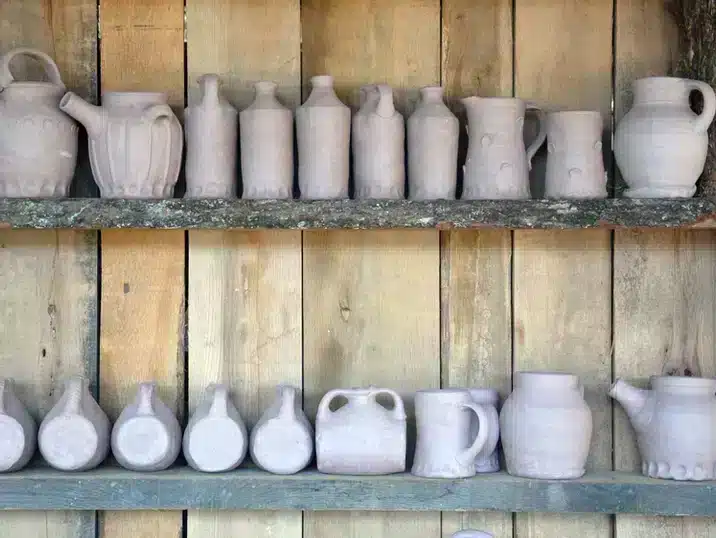
Clay has several stages. From dry clay powder to high fired end result, and all the steps in between.
‘Bisque firing’ in ceramics, what is it? Read More »
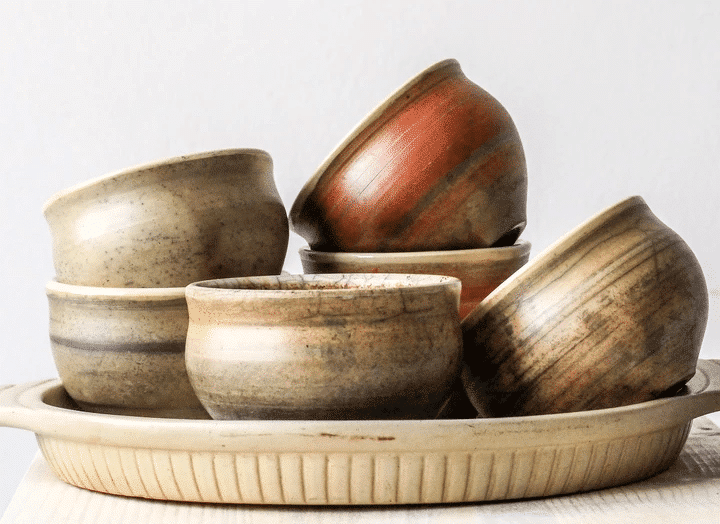
If you are working with a type of clay that already has a nice colour of its own, it may be an idea not to glaze it, but only to polish it.
Polishing, how does it work? Read More »
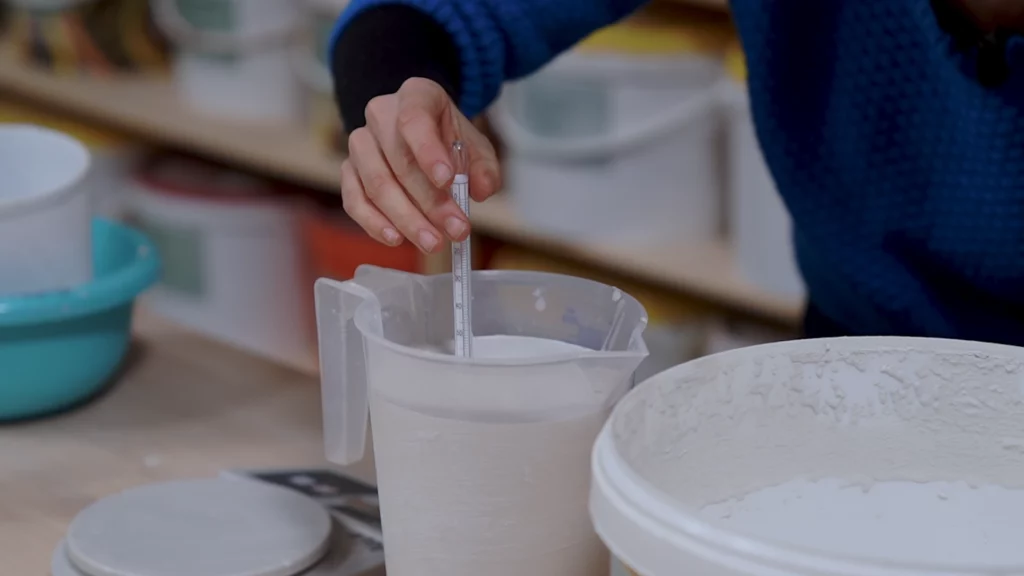
If you prepare a glaze from a purchased powder mix, you are going to have to take into account the density, to get good glaze results. In this article, we explain how to do that.
How do you measure the density of a glaze? Read More »
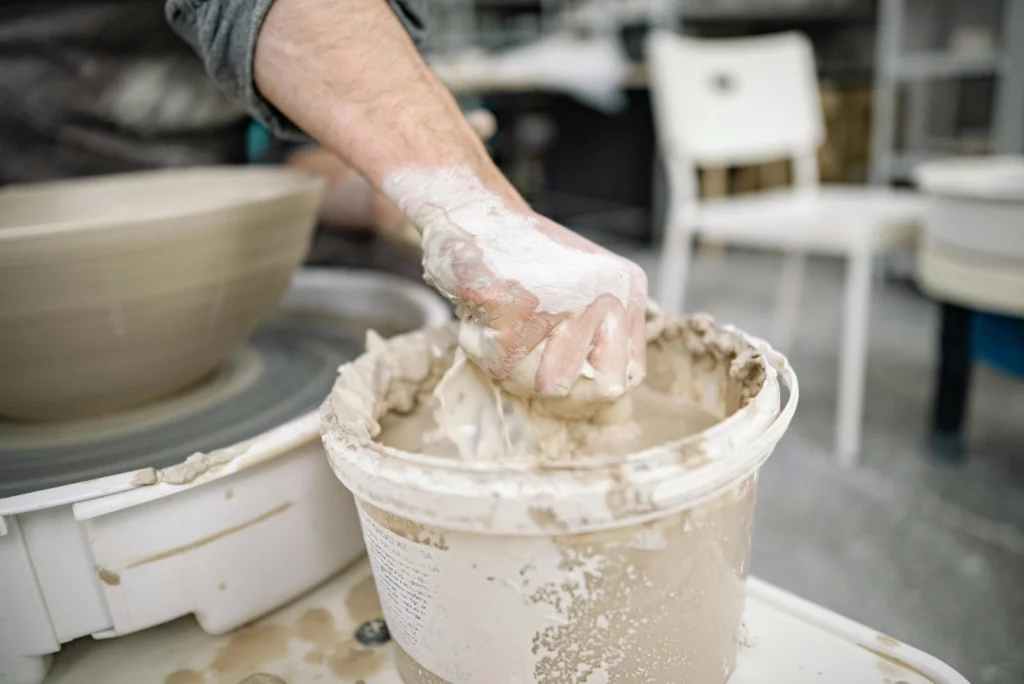
Avoid clogged pipes and wasting water with the tips in this article.
How to prevent clogged pipes in your studio? Read More »