Intarsia, mishima or inlays

The term ‘intarsia’ originates from woodworking. It is a technique whereby inlaid materials are incorporated into solid wood.

However, intarsia can also be used in ceramics. This type of inlay work is also referred to as ‘mishima‘.

It is essentially the reverse of the sgraffito technique. With sgraffito, you scratch away the coloured layer of sludge to reveal the underlying layer, whereas with intarsia, you scratch a pattern into your clay and then fill it with a different colour of clay sludge or underglaze, which you then wash off.

This creates a pattern or drawing of lines lying “in” the surface, with no relief. Want to give it a try?

Can’t see the examples? Check out the board on Pinterest.
Check out all of the online courses we offer and dive into the world of clay!

Discover more blog posts here

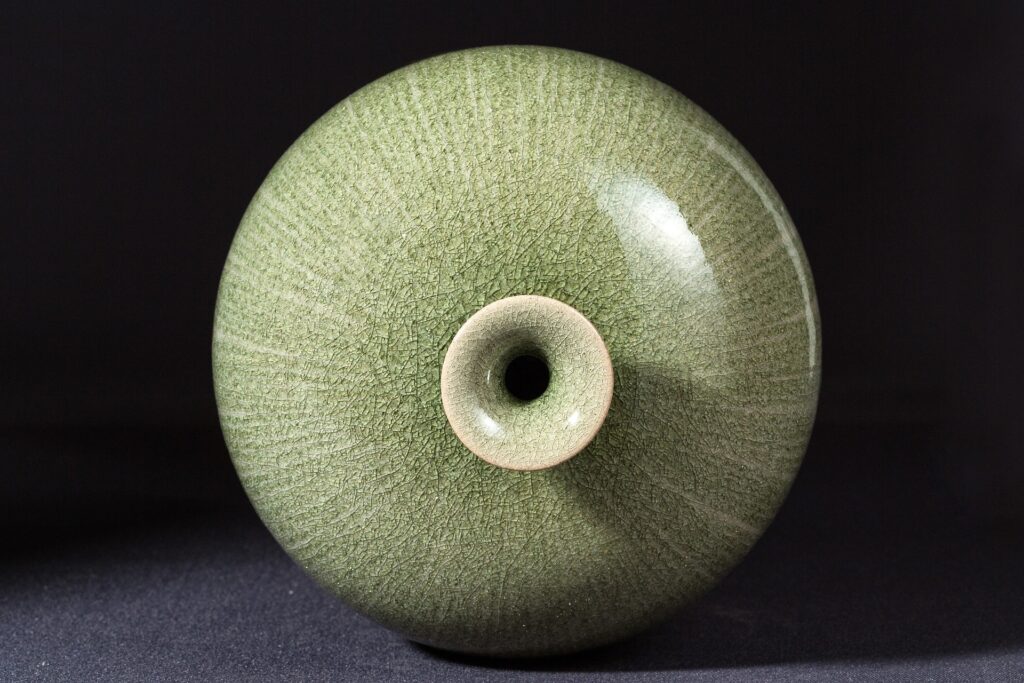
Top of a greenish pot with a crackled glaze
Techniques
Nele

Crackle glaze

The one technique where cracks are welcome: crackle glaze.

Ceramic Christmas ornaments hanging on an illuminated Christmas tree
Shapes
Nele

The ornament

Jingle bells, jingle bells, jingle all the way… you can probably guess what’s coming next.

ac321fa2c3967ad728533a22d02071a6
Techniques
Nele

Filigree

The term filigree is primarily associated with jewelry and other fine metalwork.